Quality Education and Human Rights for Burmese Migrant Children
FMSI field visit to Thailand – January 2026
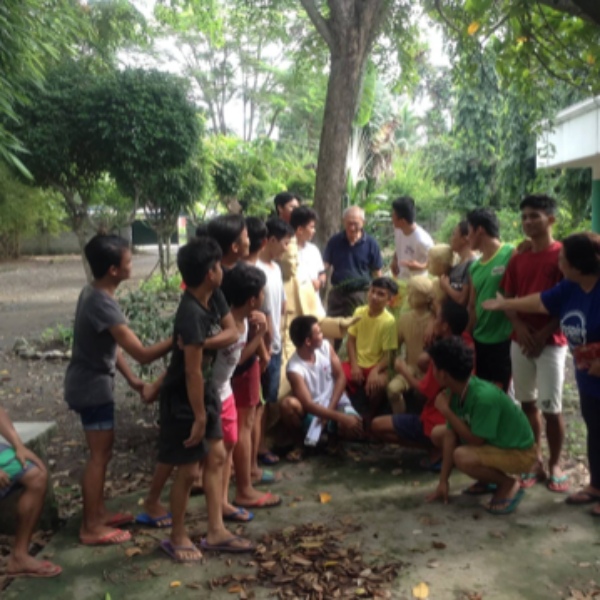
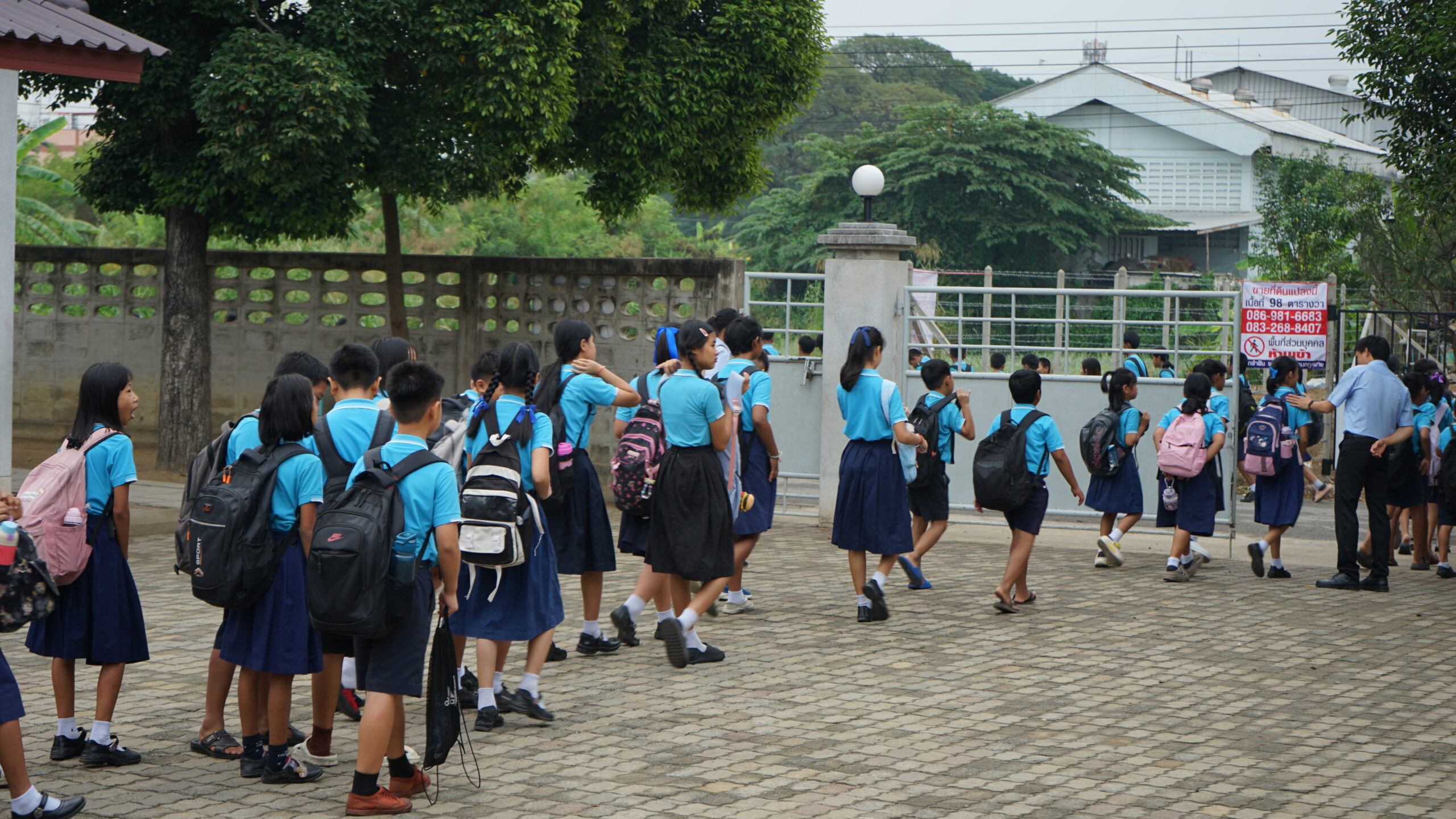
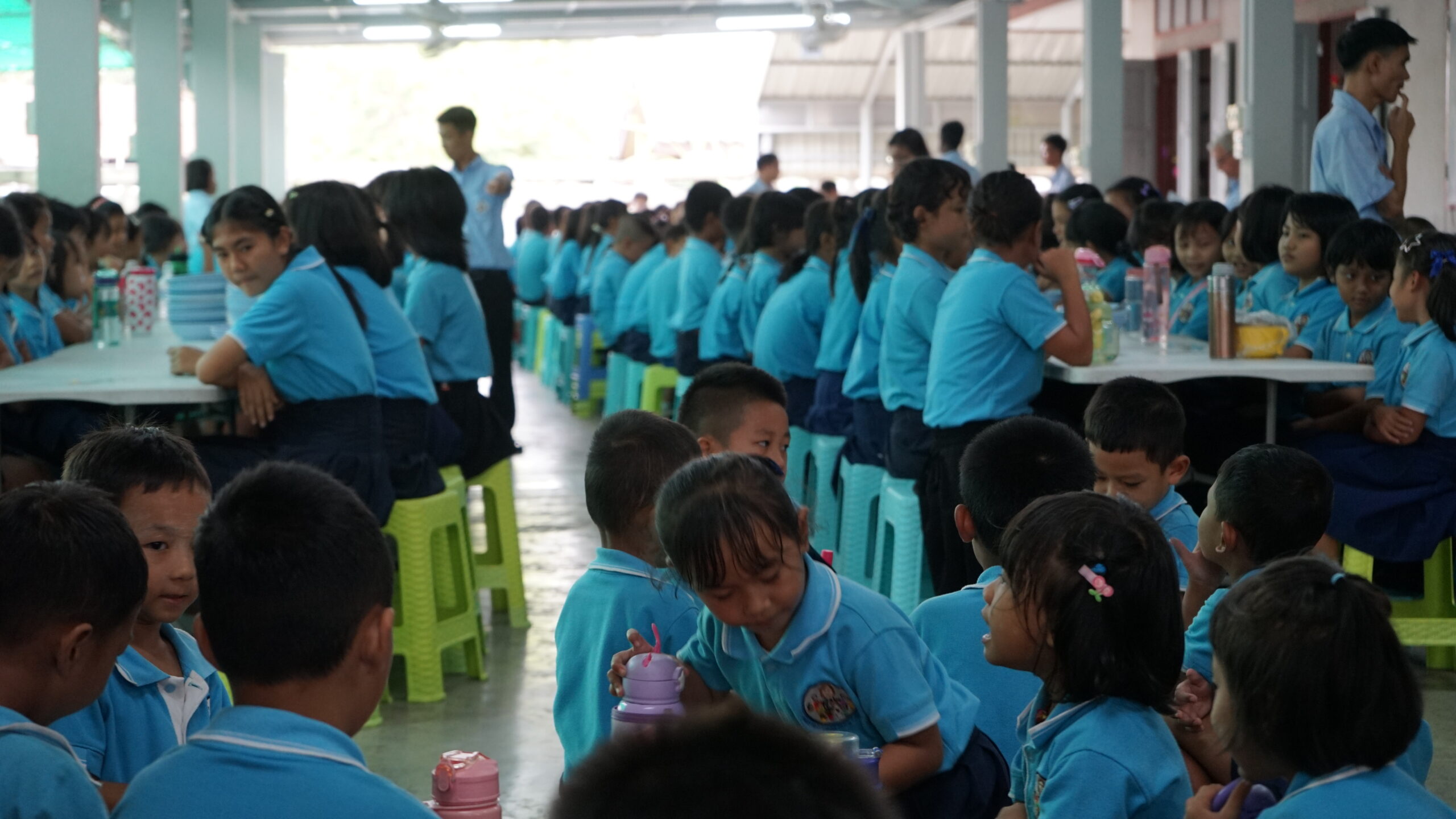
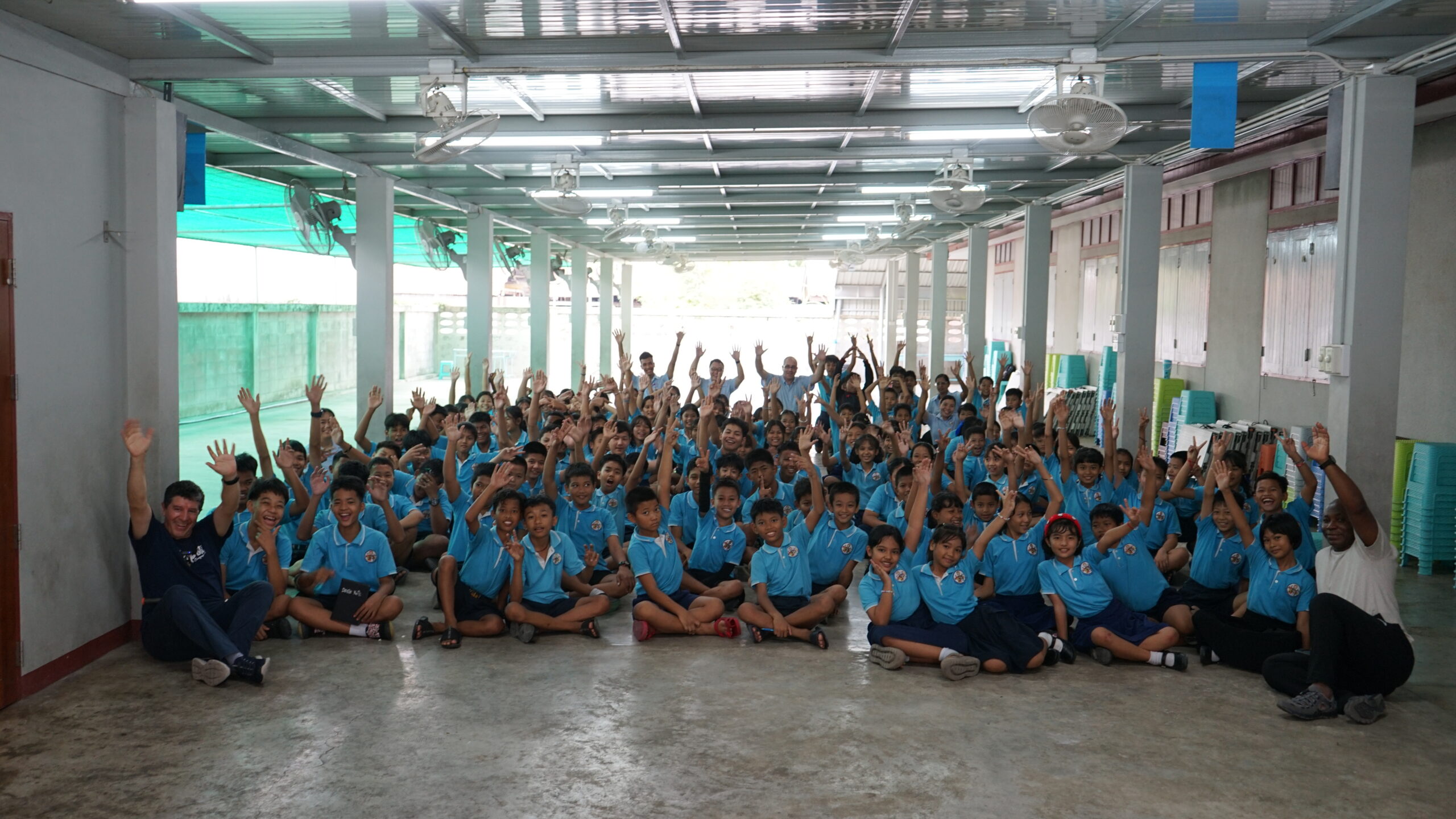
In January, the Marist International Solidarity Foundation (FMSI) carried out a field visit in Thailand to the Marist Learning Centre (MLC), a project that accompanies more than 400 Burmese migrant children and adolescents living in the Samphran District. The visit offered a valuable opportunity to listen directly to children, educators, and community members, and to better understand the complex realities shaping access to education and rights for families living in migration contexts.
All of the children supported by the project come from Myanmar, a country marked by prolonged political instability, armed conflict, and human rights violations. According to the United Nations, approximately 3.6 million people have been displaced as a result of the ongoing crisis, forcing many families to seek safety across borders, including in Thailand.
However, displacement does not automatically translate into protection. In Thailand, many families live in conditions of legal insecurity, without formal documentation, limiting their freedom of movement and access to essential services.
These structural barriers deeply affect children’s daily lives. Restricted mobility, fear of discrimination, and the risk of detention or arrest create an environment of uncertainty that directly impacts access to education, safety, and long-term opportunities—reinforcing cycles of exclusion that are entirely beyond children’s control.
The project responds to this reality by creating an inclusive and protective learning environment where children are welcomed first and foremost as rights-holders. Education is understood not only as academic instruction, but as a pathway to dignity, stability, and belonging. Through child-centred and participatory learning activities, children strengthen their academic skills while developing self-confidence, critical thinking, and an understanding of their rights, grounded in their lived experiences.
Human rights education is integrated with care and responsibility. Children are supported to explore concepts such as equality, protection, and mutual respect. Educators accompany each child with a relational and strengths-based approach that recognises resilience, cultural identity, and personal potential. Creating a safe space—where children feel heard, respected, and valued—is central to the project’s methodology.
The learning centre also serves as a point of stability for families, becoming a trusted reference within the community. By ensuring continuity in education and reinforcing a sense of safety, the project helps reduce the risks associated with social exclusion and marginalisation.
In Thailand, the Marist Brothers are not officially recognised as a Congregation. Despite this, they continue to accompany children and families with commitment, ensuring that the right to education remains always accessible.
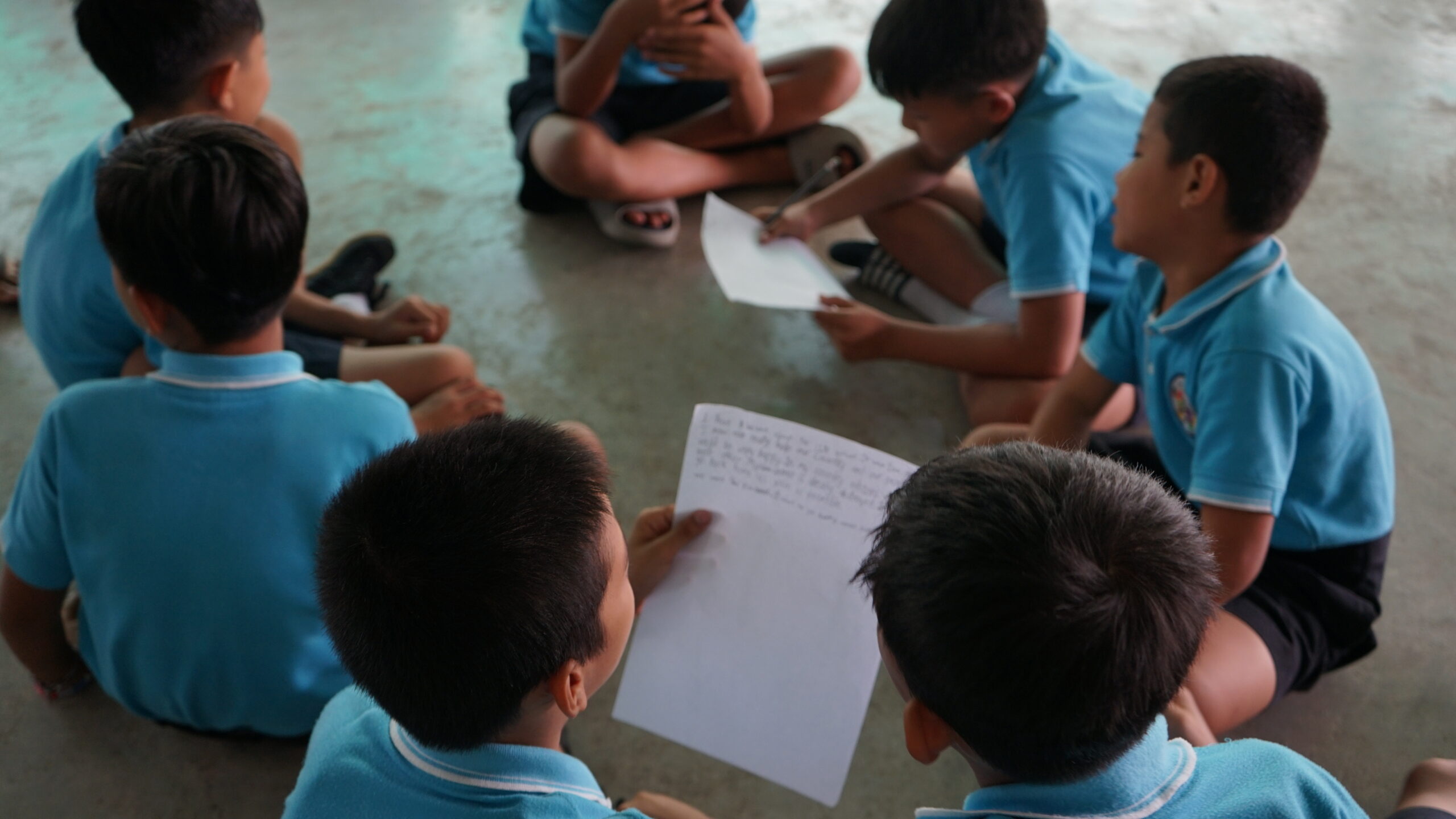
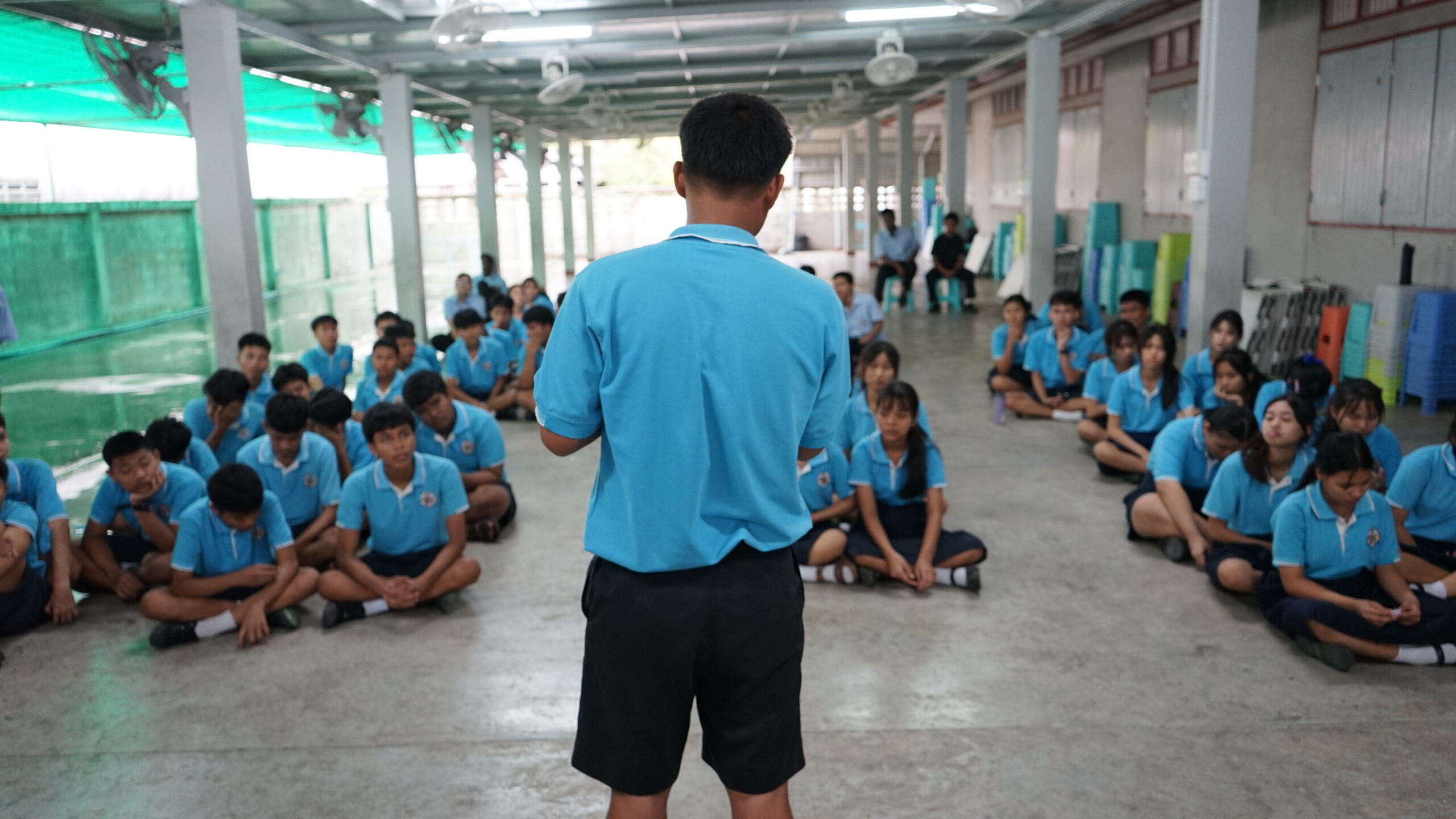
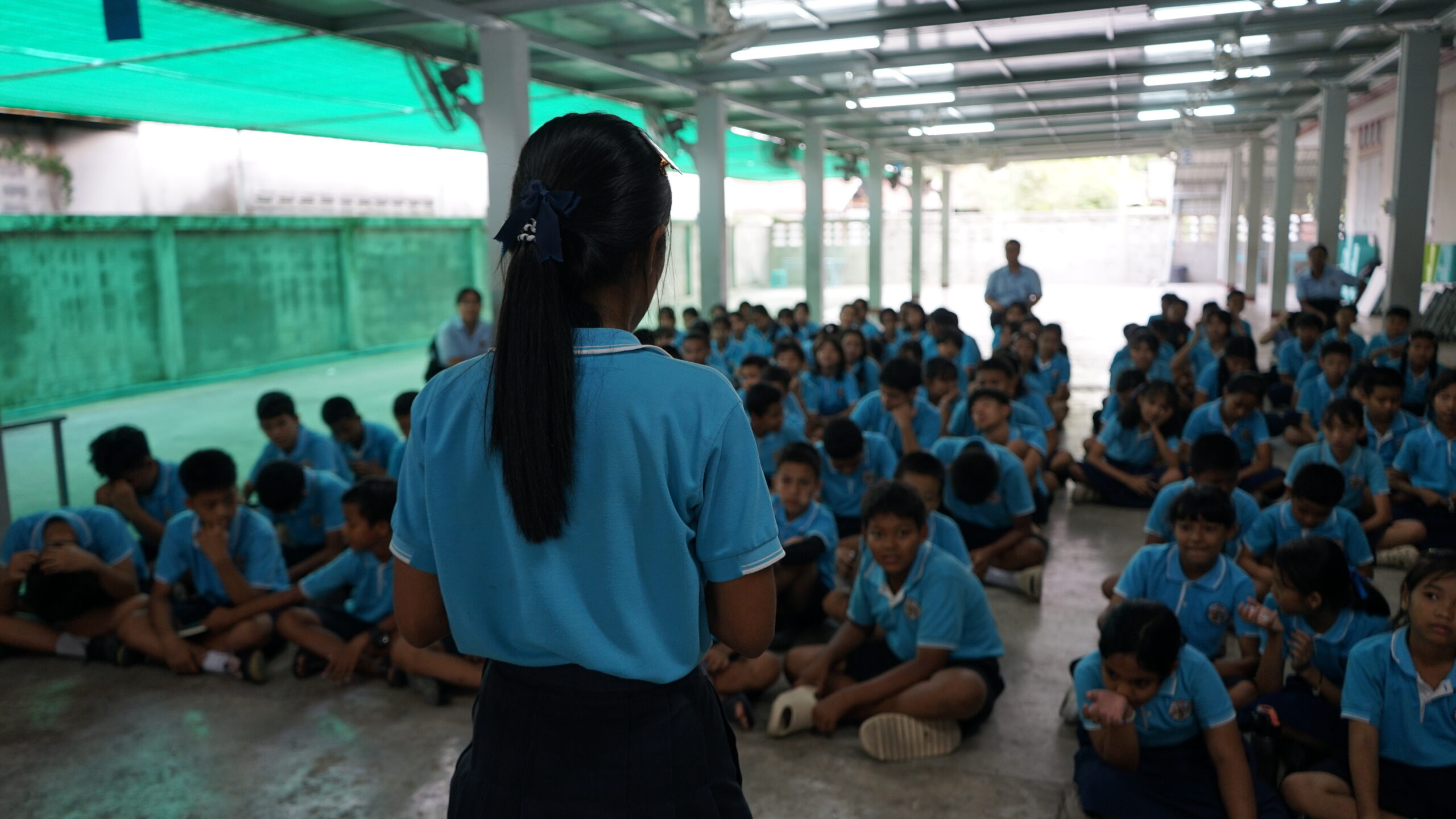
During the January visit, an UPR workshop was facilitated by the Marist Brothers Diego Leonardo Zawadzky Zapata and Nnodu Chukwubueze Onwutalu from the Secretariat of Solidarity – CMI of the Marist Institute. In this space, children were invited to share their perspectives on rights and the barriers they face. They spoke about their wish to move freely beyond their immediate surroundings, to have access to regular documentation and legal recognition, and to be treated with the same dignity and respect as other children. Above all, they expressed a strong hope for a future with opportunities—free from fear, discrimination, and exclusion.
Listening to these voices reinforced the importance of approaches that do not speak for children, but with them—recognising their agency, aspirations, and right to participate in shaping their own futures.
By combining quality education with a rights-based and inclusive approach, the Marist Learning Centre contributes to strengthening protection, participation, and future opportunities for Burmese migrant children in Thailand—affirming a simple but powerful truth: when children’s rights are protected, contexts of vulnerability can become spaces of hope.