FMSI and the Secretariat of Solidarity – CMI Participate in EU Pre-Sessions for Rwanda, Lebanon, and Australia
Bringing the Voices of Children to the Table
FMSI and the Secretariat of Solidarity – CMI took part in the EU Pre-Sessions for Rwanda, Lebanon, and Australia. These pre-sessions represented a key moment in the Universal Periodic Review (UPR) process, where civil society had the opportunity to present recommendations to the European Union Delegation based in Geneva. Delegation based in Geneva. These recommendations aim to influence the final dialogue between the UN and the governments under review, ensuring that the most pressing human rights issues are highlighted and acted upon.
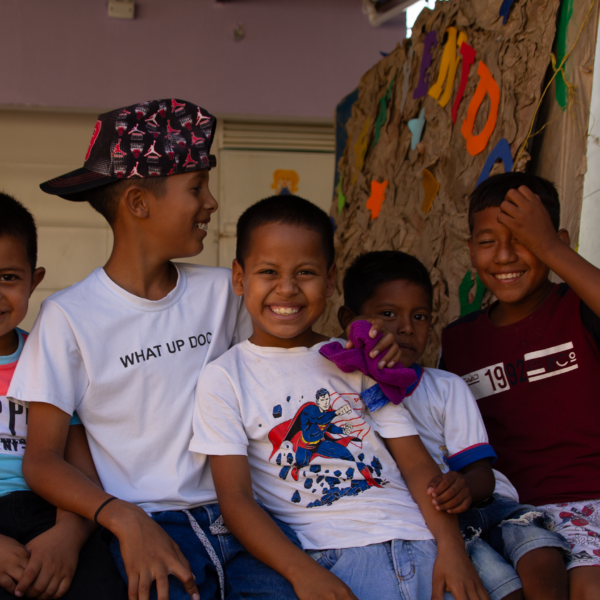
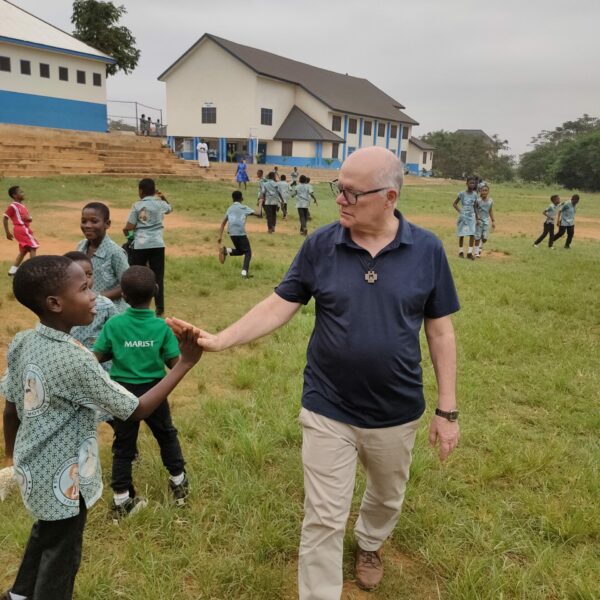
Over the past weeks, FMSI and the Secretariat of Solidarity – CMI carried out consultations with young students from various Marist social works in Rwanda, Lebanon, and Australia. These students have directly contributed to the drafting of their respective countries’ UPR reports, and their voices were at the heart of today’s presentations. By engaging with young people in a participatory way, we ensured that their concerns and hopes were accurately reflected and prioritized during this important international process.
For Rwanda, the key themes raised by students focused on education and child protection. Students emphasized that every child, regardless of their background, should have access to primary and secondary education. Many children in Rwanda are still facing significant barriers to education due to poverty, displacement, or lack of documentation. One student said: “Every student, regardless of background, deserves equal access to quality learning so they can reach their full potential”.
In addition to education, students highlighted the need for stronger child protection measures to ensure that children are safe, secure, and able to grow and thrive. Recommendations include strengthening child protection systems and expanding mental health and psychosocial support services for children and adolescents.
Lebanon’s children and young people shared their concerns regarding education, access to documentation, and general welfare. Students called for free and quality education for all, regardless of nationality or legal status, particularly for vulnerable groups such as refugees and migrant children. “We want real education, not just a place to sit. Fix the schools, train teachers, and give us transportation so we can attend”, one young person shared during the consultation.
Another critical issue raised was the lack of documentation, which prevents many children from accessing education and essential services. The recommendation is clear: provide identification documents to all children, ensuring that they can fully participate in society and access services like healthcare and education. As one student expressed, “Some of us don’t even have legal papers, which means we can’t register for school, work properly, or move freely”.
Lastly, children emphasized the importance of recognizing each individual’s value beyond their social status, religion, or education level. This call for inclusivity and respect for every person’s dignity is a central theme in the recommendations.
In Australia, the main concerns focused on youth crime, online child protection, and the rights of refugees and asylum seekers. Students were particularly concerned with the high rates of recidivism among young offenders and the lack of sufficient rehabilitation and reintegration programs. They recommended expanding mental health programs for incarcerated youth and strengthening support for young people recently released from detention. “Learning rather than being forced into child labor” was one of the most powerful statements made by young people during the consultation process.
Additionally, students called for stronger online protection against the harms of social media, including age verification for social media platforms and the implementation of more stringent content filters. As one student pointed out, “Many of us are exposed to harmful content online, and we need better tools to protect ourselves”.
Lastly, students voiced their concern for refugees and asylum seekers, advocating for better access to education, financial support, and mental health services for young refugees. Their recommendation was for the Australian government to provide more comprehensive support for refugees and asylum seekers, ensuring that they can live independently and thrive within Australian society.
Through these consultations, FMSI and the Secretariat of Solidarity – CMI have ensured that children and young people from Rwanda, Lebanon, and Australia are not only heard but also have an active role in shaping the policies that will affect their future. By presenting their recommendations at the EU Pre-Sessions, we aim to ensure that their concerns are given the weight they deserve in the UPR process.