Children’s Voices at the Centre of International Advocacy
From 10 to 12 February, the Marist International Solidarity Foundation (FMSI) and the Secretariat of Solidarity participated in the UPR-Info Pre-Sessions and the EU Pre-Session to the Working Group 52 in Geneva. These meetings offered a meaningful opportunity to bring the lived experiences and priorities of children and young people into international human rights discussions.
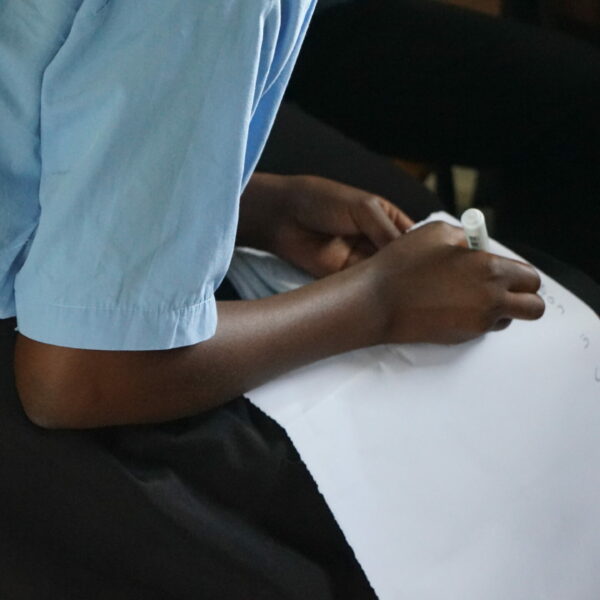
Throughout the sessions, FMSI and the Secretariat disseminated Advocacy Factsheets prepared in close collaboration with children and youth who actively contributed to the Universal Periodic Review (UPR) process. These documents conveyed concrete concerns and recommendations formulated directly by young people themselves.
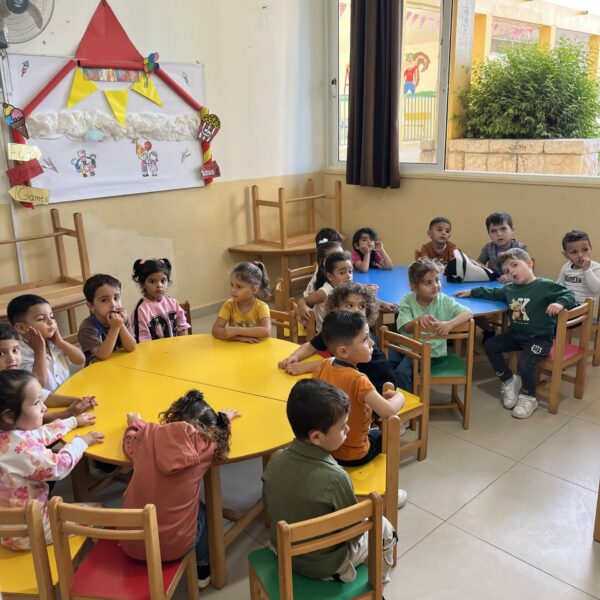
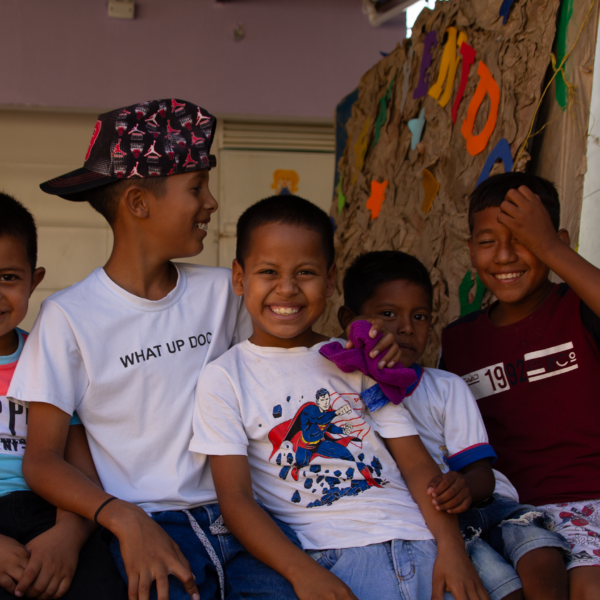
Across different regions, children highlighted urgent and context-specific challenges.
In Singapore, youth mental well-being emerged as a central concern. Young people described intense academic pressure reinforced by parental and societal expectations, constant comparison, and a competitive environment that leaves many feeling overwhelmed and anxious. They also reflected on the impact of excessive screen time and social media, which often replace rest, physical activity, and meaningful in-person relationships.
Read the Advocacy factsheet: PDF
In Mozambique, children raised alarm about restrictions on freedom of expression and a shrinking civic space. They spoke of intimidation, reprisals, and violence against those who criticize authorities, describing a climate of fear that affects families, education, mental well-being, and trust in society.
Read the Advocacy factsheet: PDF
In Paraguay, children reported widespread violence — sexual, domestic, institutional, and online. Many shared that attempts to report abuse are frequently dismissed or delayed, and that protection systems fail to respond effectively. Barriers to confidential and autonomous access to justice further contribute to silence and impunity.
Read the Advocacy factsheet: PDF
In Solomon Islands, children drew attention to environmental degradation and its direct consequences on their lives. Illegal and destructive fishing, logging, and mining undermine food security, access to clean water, livelihoods, and school attendance. For them, environmental protection is inseparable from the protection of their rights and future.
Read the Advocacy factsheet: PDF
Children in Belgium similarly highlighted the gap between strong legal frameworks and their everyday experience, particularly in education and mental health. Rising stress levels, unequal access to educational resources, and limited availability of timely psychological support were central concerns.
Read the Advocacy factsheet: PDF
During the EU Pre-Session, FMSI and the Secretariat of Solidarity echoed these priorities directly to EU Permanent Missions representatives inviting them to take these child-led recommendations seriously.
The presence of FMSI and the Secretariat of Solidarity in Geneva marked the continuation of a participatory process in which children were not passive beneficiaries but active contributors to international human rights monitoring. By bringing their voices into diplomatic spaces where recommendations are shaped and commitments are negotiated, this advocacy ensured that discussions remained grounded in lived realities.
We are very grateful to all our local partners, both individuals and institutions, who worked tirelessly to organize workshops to hear and collect the voices of children and young people. They processed the firsthand data and helped draft the reports. Your support is invaluable in ensuring that the documents submitted to the UN are reliable and amplify the needs, expectations, and concerns of children.
This experience once again demonstrates that meaningful child participation strengthens the UPR process. When children are genuinely listened to, international advocacy becomes more credible, more urgent, and more transformative.
FMSI and the Secretariat of Solidarity remain committed to ensuring that children’s voices continue to reach global platforms — because human rights discussions are stronger when those most affected are heard.