Hungary: Education, Protection, and Rights for Romani and Sinti Children
FMSI Field Visit in Hungary – February 2026
In February, the Marist International Solidarity Foundation (FMSI), together with the Secretariat of Solidarity – CMI, visited Marist communities in Hungary, exploring the work being done in Karcag, Esztergom, and Budapest.
The visit was part of a workshop connected to the Universal Periodic Review (UPR), the United Nations mechanism that monitors human rights situations in member countries. It was a valuable opportunity to be present on the ground: to meet children, families, educators, and social workers, listen to their stories, and gain a closer understanding of the dailychallenges that continue to hinder full access to fundamental rights,particularly for Romani and Sinti children in Hungary.
The Romani community is the largest ethnicminority in Hungary. While their rights are officially recognized, many families face exclusion and limited opportunities in their daily lives. These difficulties are not isolated incidents but are structural. They appear in precarious housing conditions, often in neighbourhoods isolated from the rest of the city. They show in limited access to healthcare, intergenerational unemployment, and social stigma that continues to weigh heavily on Romani and Sinti identity.
In many urban and suburban areas, entire communities live physically separated from the rest of the population. This geographical distance becomes social distance: fewer services, fewer networks, fewer opportunities. Children bear the heaviest consequences. The barriers they encounter are not related to talent, intelligence, or ambition, but to the circumstances into which they are born. It is here that exclusion takes root and risks becoming a predetermined path—unless interrupted by courageous policies and educational presence that creates real opportunities.
The Marist Presence in Hungary
The Marist Brothers of the Hermitage Province are in Hungary with a clear mission: to support the young people living in the most vulnerable conditions. Their work is not just about projects but about relationships built day by day. Brothers and Lay Marists offer concrete support, including personalized education, social protection, psychological counseling, and recreational and educational activities.
The field visit highlighted that the true strength of these interventions is continuity: a stable, reliable presence that builds trust over time. This trust allows children to feel seen, families to feel supported, and communities to envision a different future.
Karcag – Inclusive Education and Learning Quality
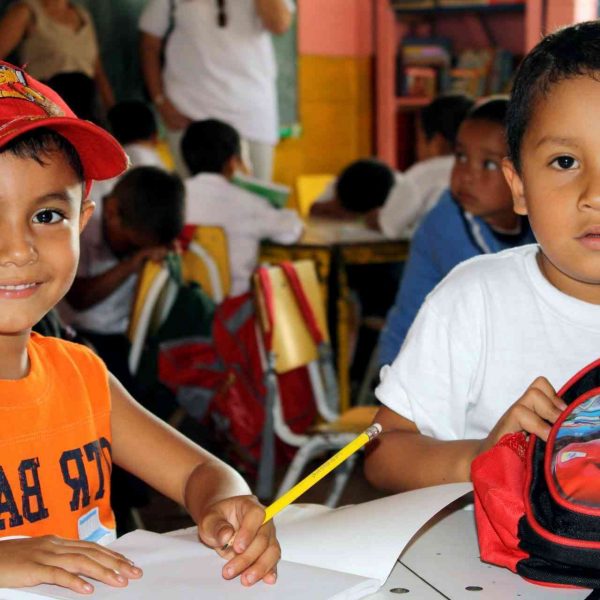
In Karcag, at Szent Pál Marista Általános Iskola, the Marists run a primary school that is far more than a place of learning for many families it is a reference point, a hub of possibilities. In 2023, a new school building was inaugurated, expanding classrooms and improving infrastructure to accommodate more students. Yet the most significant change is not in the walls themselves, but in the vision of school that is built every day.
In a context where school segregation still affects many Romani children, offering an inclusive and high-quality environment helps break the cycle of exclusion. Education here is not only academic—it is holistic, encompassing emotional, social, and relational growth. It is a space where every child can discover their value.
Esztergom – “A Mi Házunk”: Feeling at Home
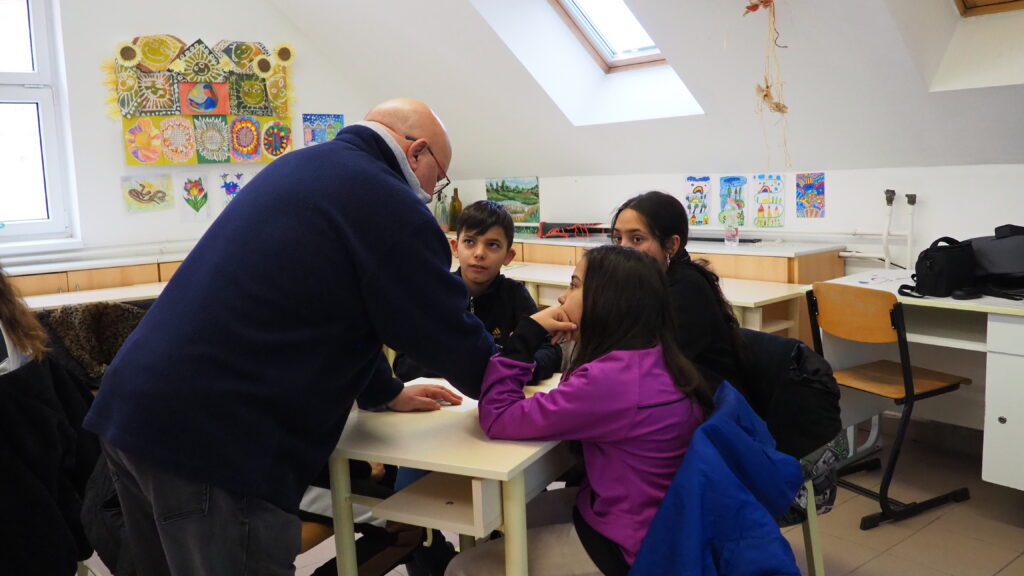
In Esztergom, we visited the educational center A Mi Házunk – “Our House.” The name is no mere symbol: for many children, it truly feels like a home. Built in 2001 in a peripheral area mainly inhabited by Romani families, the center provides school support, recreational activities, and psychological counseling. Above all, it provides safety. In neighborhoods marked by economic and social vulnerability, a stable, caring, and protective space can make the difference between feeling invisible and feeling recognized. Here, children find adults who listen, encourage, and believe in their potential.
Budapest – Protection for Mothers and Children in Crisis
In Budapest, we visited the Jó Pásztor Marista Anyaotthon social center, a residential facility for mothers with children in situations of severe vulnerability.
Since January 20, 2025, it has been managed by the Marist Brothers of the Hermitage Province, integrating it into their mission. The center does more than provide temporary shelter: it supports autonomy through psychological assistance, job guidance, and social counseling. The goal is for mothers to regain stability and dignity, and for children to grow up in a safe and nurturing environment.
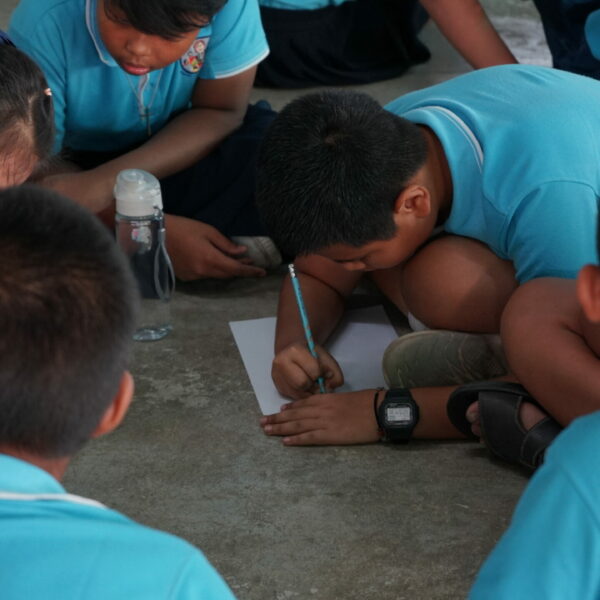
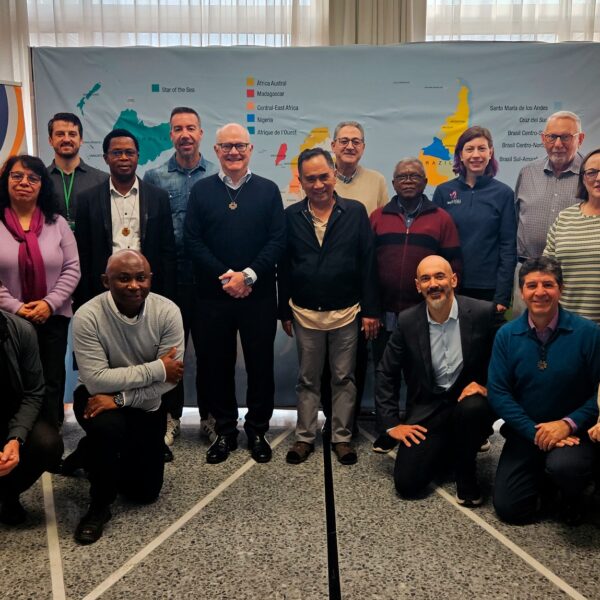
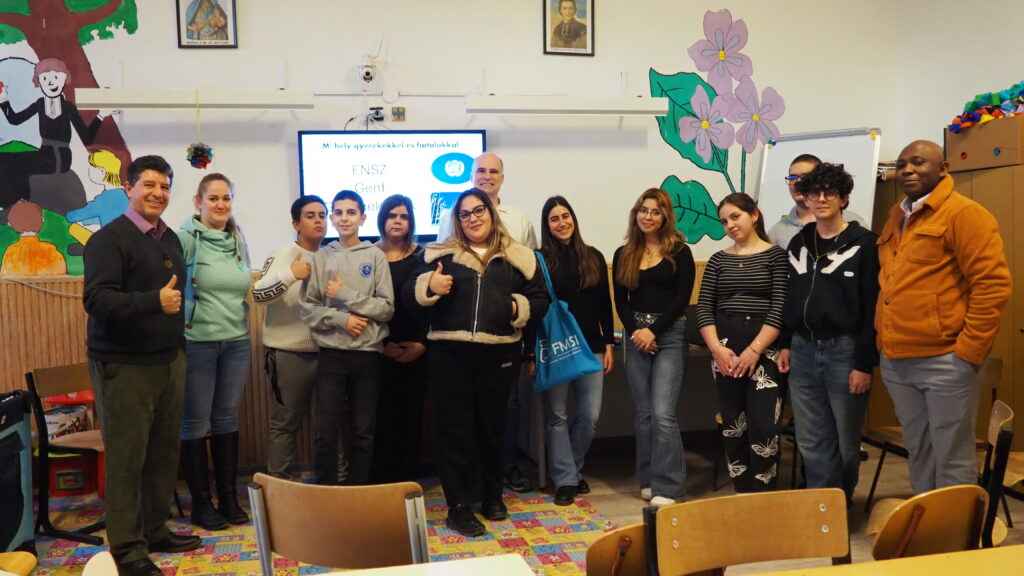
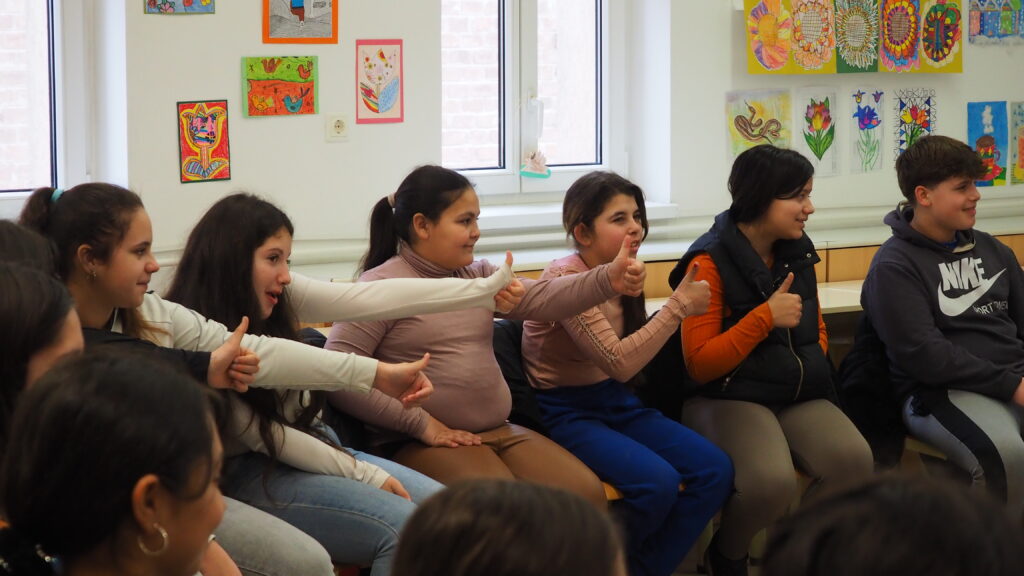
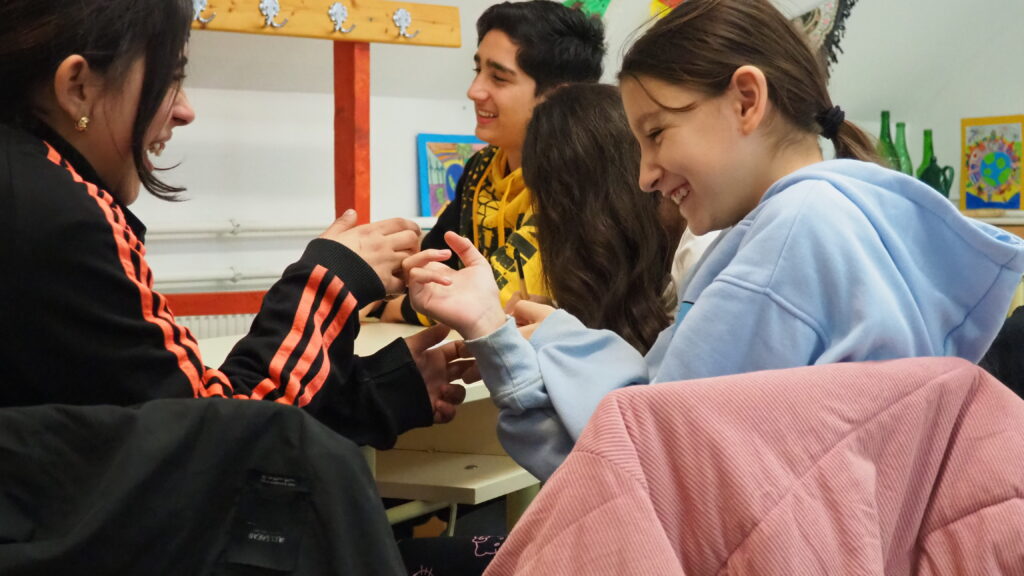
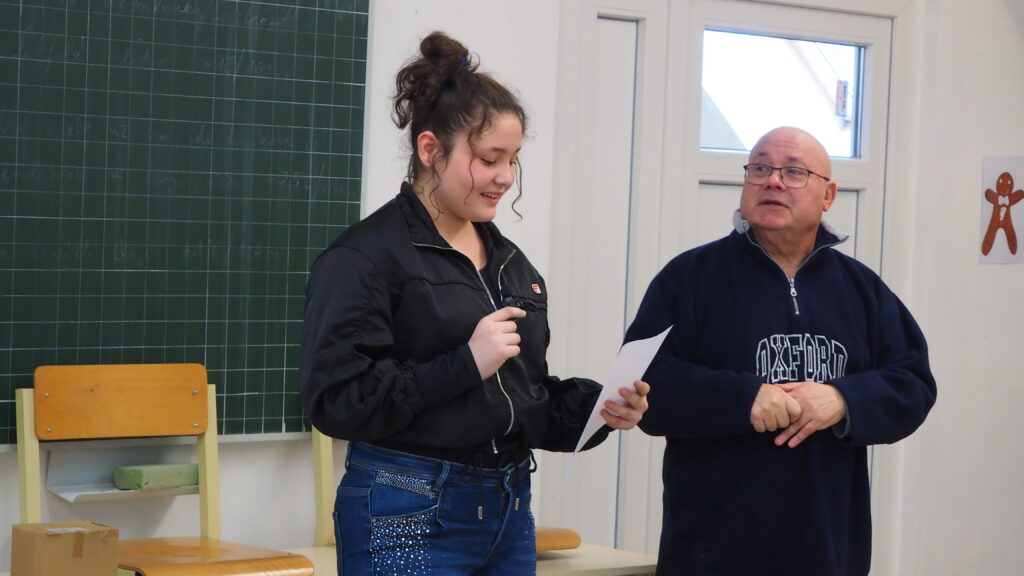
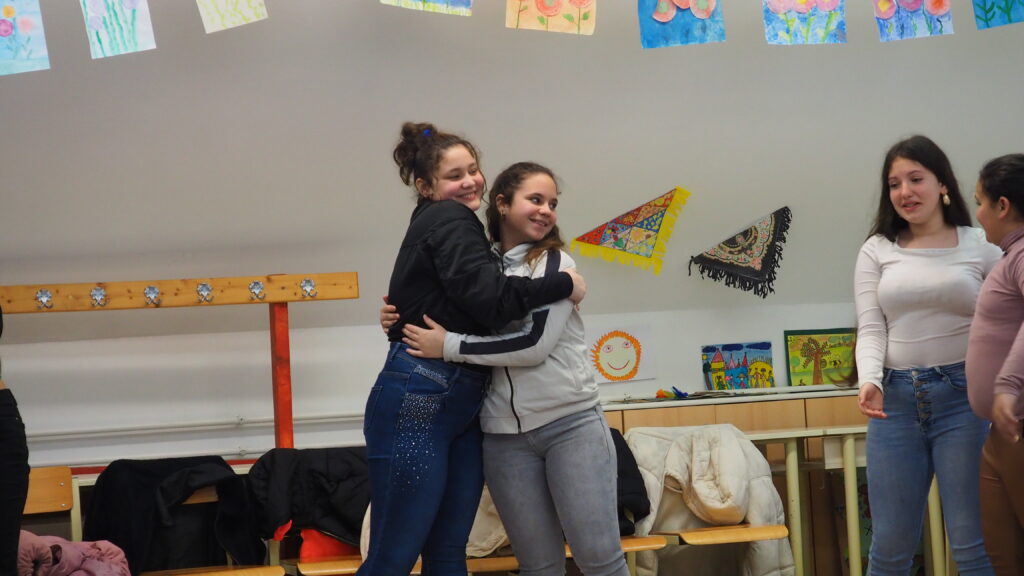
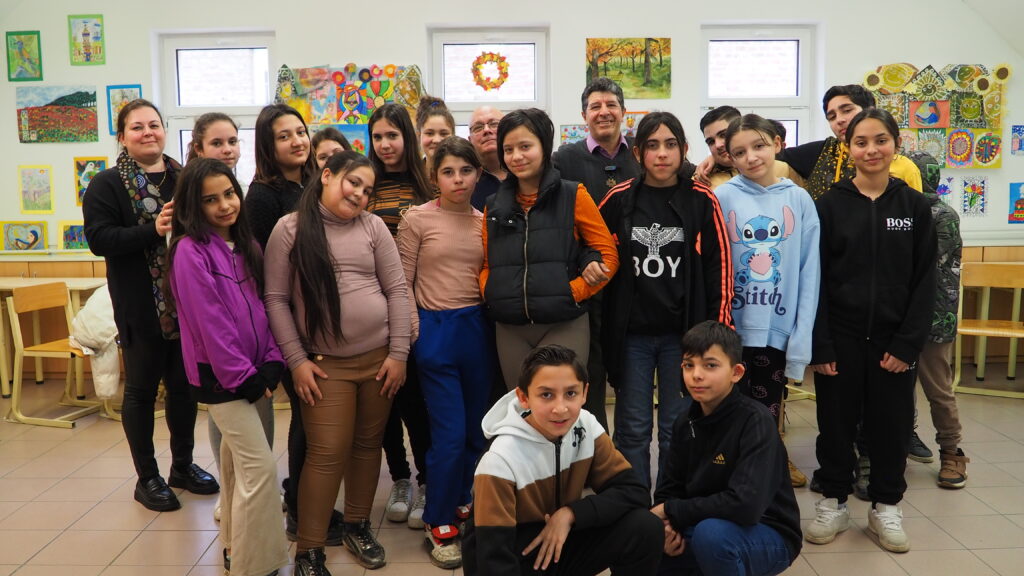
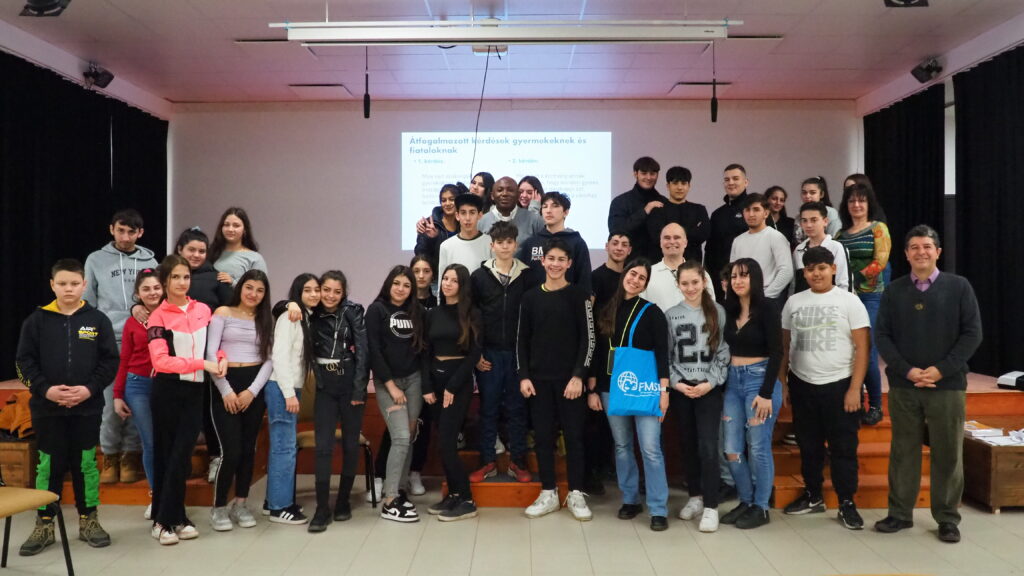
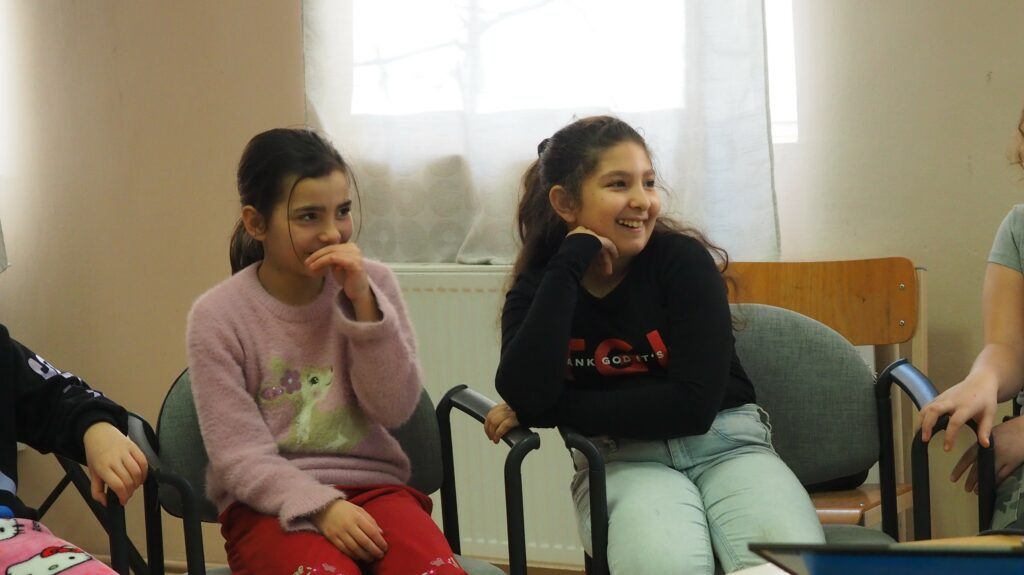
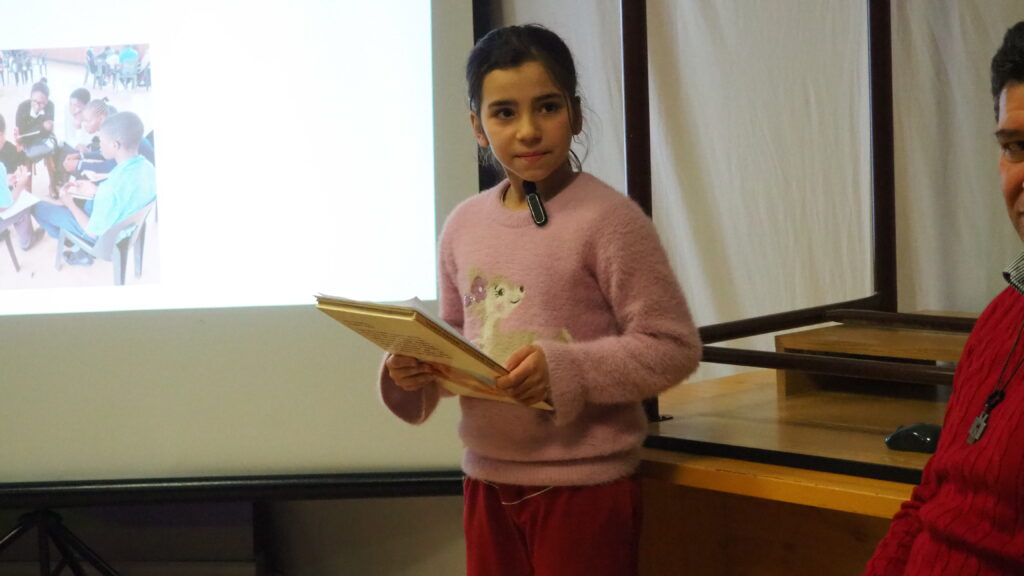
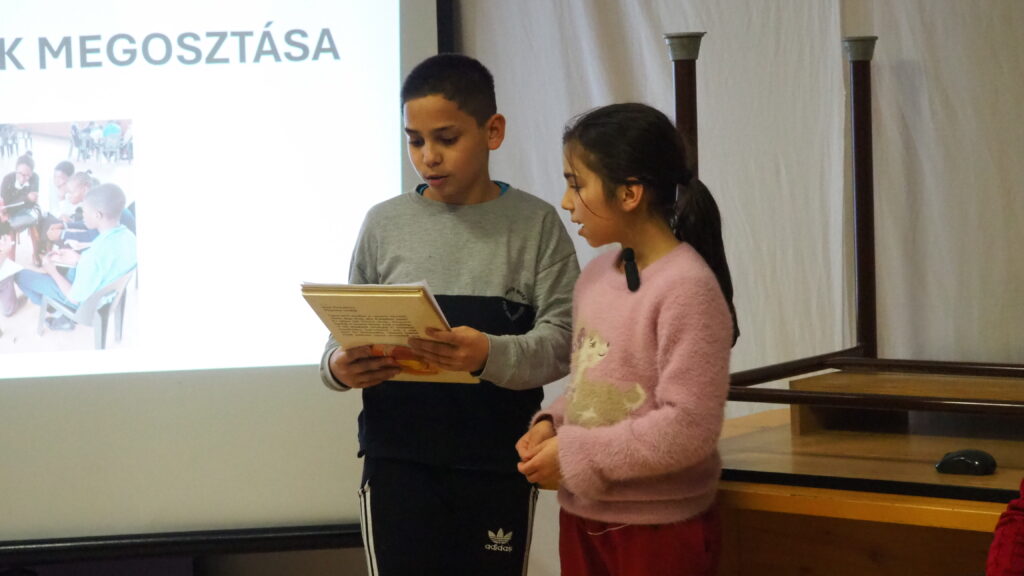
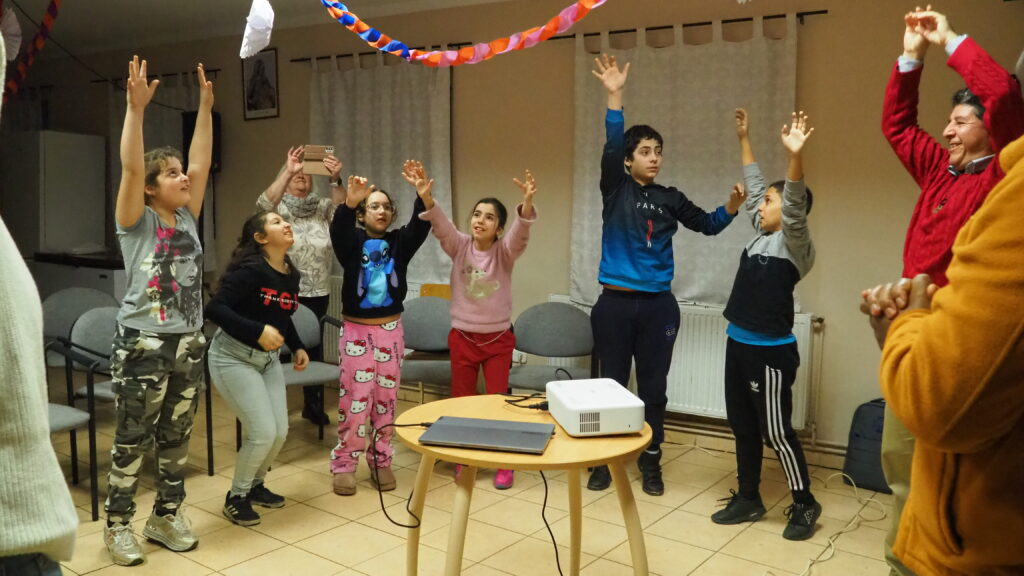
During the visit, a UPR workshop was facilitated by Marist Brothers Diego Leonardo Zawadzky Zapata and Nnodu Chukwubueze Onwutalu from the Secretariat of Solidarity – CMI, and by Pamela Difino, Child Rights and Projects Officer at FMSI. Children were invited to share their perspectives on rights and the obstacles they face. They did not speak abstractly about “rights”—they spoke about their lives. They talked about the spread of drugs in their neighborhoods and the fear that it could become a dead-end path for many of their peers. They spoke about safety at home, on the streets, and in public spaces. They expressed the need for adequate, accessible, and dignified healthcare.
Their words highlighted what is often only implied in documents: health, safety, protection, and education are not separate issues, they are interwoven threads of the same fabric. When one breaks, the entire growth path of a child is weakened.
Listening to them was not symbolic, it was an act of recognition. Children are not just recipients of interventions; they are active agents, capable of understanding reality, identifying problems, and proposing solutions. They are bearers of experience, not only of need.
The insights gathered during this visit will inform FMSI’s advocacy work within the UPR process, ensuring that children’s voices are integral to the international dialogue on human rights. Promoting rights means, first and foremost, making them real in the daily lives of those who are most vulnerable.