51ª Sesión del Grupo de Trabajo del EPU
Del 19 al 30 de enero de 2026 se celebrará en Ginebra la 51ª Sesión del Grupo de Trabajo del Examen Periódico Universal (EPU). Durante esta sesión, los Estados Miembros de las Naciones Unidas examinarán los registros nacionales en materia de derechos humanos y formularán recomendaciones para fortalecer la protección de los derechos humanos a nivel mundial.
Los países examinados durante esta sesión incluyen Australia, Austria, Georgia, Líbano, Mauritania, Micronesia, Nauru, Nepal, Omán, Rwanda, Saint Kitts y Nevis, Santa Lucía y Santo Tomé y Príncipe.
Para consultar el calendario completo de todas las sesiones del EPU, visite el calendario oficial del EPU: UPR Calendar
Como FMSI, junto con los Hermanos Maristas, jóvenes y niños, contribuimos activamente a la elaboración de los informes del EPU para Australia, Líbano y Rwanda. Para estos países, también participamos en las pre-sesiones de la Unión Europea, llevando al ámbito internacional las recomendaciones y las voces de los niños, recogidas a través de nuestros proyectos y procesos de participación infantil. Garantizar que las perspectivas de los niños y niñas sean escuchadas en los más altos niveles internacionales es una parte fundamental de nuestro compromiso con un enfoque basado en los derechos de la infancia y con una participación significativa.
Líbano
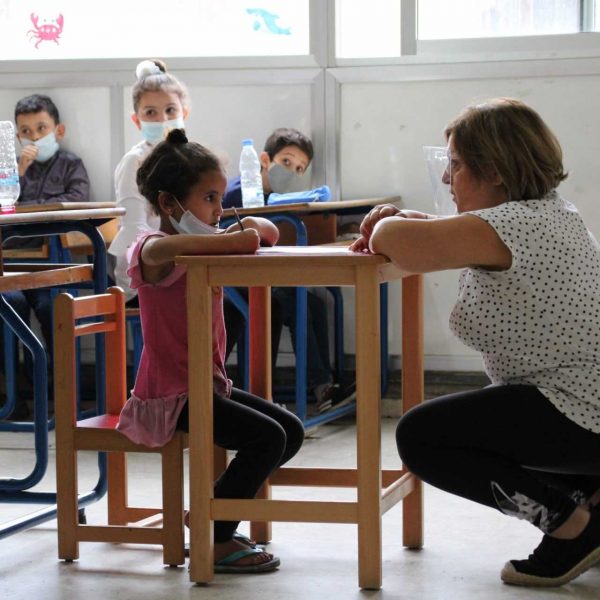
Los niños, niñas y jóvenes involucrados en el Proyecto Fratelli expresaron serias preocupaciones en nuestro informe del EPU sobre los derechos de la infancia, especialmente en relación con la educación, el trabajo infantil, el acceso a la documentación y las necesidades básicas.
Durante la pre-sesión de la Unión Europea, enfatizaron firmemente la necesidad de garantizar que todos los niños y niñas, independientemente de su nacionalidad, situación socioeconómica o estatus legal, tengan acceso a la educación primaria y secundaria. Tal como se destaca en nuestro informe, muchos niños y niñas en el Líbano siguen enfrentando importantes barreras vinculadas a la pobreza, el desplazamiento, las tasas escolares, los costos de transporte y el deterioro de la educación pública. En sus propias palabras:
“Queremos una educación real, no solo un lugar donde sentarnos.”
Garantizar el acceso universal a una educación de calidad es esencial para prevenir el abandono escolar, el trabajo infantil y la exclusión a largo plazo. Los niños y niñas también pidieron al Líbano que proporcione documentos de identificación a todos los niños y niñas, incluidos los niños y niñas refugiados, migrantes y sin documentación, para que puedan acceder a la educación, la atención sanitaria y los servicios públicos esenciales.
“Algunos de nosotros ni siquiera tenemos documentos legales… no podemos inscribirnos en la escuela ni movernos libremente.”
Por último, instaron al Estado a reconocer y defender la dignidad y el valor intrínseco de cada niño y cada niña, independientemente de su estatus social, religión, nivel educativo o situación legal. En un contexto de profunda fragmentación social, los niños y niñas pidieron repetidamente que se reconozcan sus capacidades, sus voces y su potencial.
Esperamos que el Líbano dé pasos significativos hacia adelante en estas cuestiones clave.
Lea nuestro informe del EPU: PDF
Vea el examen del Líbano (19 de enero, 14:30 CET): UN WebTV
Rwanda
Durante la pre-sesión de la Unión Europea, los niños y niñas, junto con jóvenes en Rwanda, expresaron claramente que la educación no es solo un derecho fundamental, sino también un camino hacia la dignidad, el empoderamiento y las oportunidades futuras. Como señaló un estudiante:
“Cada estudiante, independientemente de su origen, merece un acceso equitativo a una educación de calidad para poder alcanzar todo su potencial.”
Los niños y niñas destacaron la importancia de garantizar un acceso equitativo a una educación primaria y secundaria de calidad para todos los niños y niñas, incluidos aquellos afectados por la pobreza, la discapacidad o el desplazamiento. También subrayaron la necesidad de fortalecer los sistemas de educación inclusiva, mediante mejores materiales educativos, acceso digital, formación del profesorado y entornos escolares más seguros y solidarios.
Desafíos persistentes como las altas tasas de repetición y los bajos niveles de finalización fueron señalados como obstáculos que podrían socavar las perspectivas a largo plazo de los niños y niñas si no se abordan mediante estrategias nacionales específicas.
Los niños, niñas y jóvenes también enfatizaron firmemente que la protección infantil es esencial para su bienestar y desarrollo. Un estudiante compartió:
“Cada niño y cada niña merece cuidado, seguridad y un entorno pacífico… Cuando los niños y niñas están protegidos, desarrollan confianza y alegría.”
Pidieron una inversión continua en los sistemas de protección infantil, incluidos servicios adecuadamente financiados, profesionales capacitados y sólidos mecanismos comunitarios. El apoyo psicosocial y de salud mental para niños y niñas y adolescentes surgió como una prioridad clave, junto con la promoción de entornos seguros y no violentos en las escuelas y las comunidades.
A lo largo de todas las discusiones, los niños y niñas dejaron claro que la educación y la protección están profundamente interconectadas. Cuando los niños y niñas se sienten seguros, pueden aprender; y cuando aprenden, están mejor preparados para crecer, participar y prosperar.
Estas prioridades reflejan las preocupaciones más amplias planteadas en nuestro informe del EPU, incluidas el desarrollo y las oportunidades para niños, niñas y jóvenes, el bienestar general de los niños y niñas y la necesidad de infraestructuras y desarrollo que respondan verdaderamente a los derechos de la infancia.
A medida que Rwanda se acerca a su examen del EPU, expresamos nuestros mejores deseos para un proceso constructivo y exitoso. Esperamos que esta revisión se traduzca en un renovado compromiso y acciones concretas para garantizar que cada niño y cada niña en Rwanda pueda aprender de forma segura, crecer con dignidad y mirar al futuro con esperanza.
Lea nuestro informe del EPU: PDF
Vea el examen de Rwanda (21 de enero, 9:00 CET): UN WebTv
AUSTRALIA
Los niños y niñas, junto con jóvenes involucrados en nuestras escuelas y obras sociales maristas, plantearon preocupaciones clave en nuestro informe del EPU sobre los derechos de la infancia en Australia, en particular en relación con la delincuencia juvenil, la protección infantil y la situación de los niños y niñas refugiados y solicitantes de asilo.
Si bien la delincuencia juvenil en general ha disminuido, las tasas de reincidencia siguen siendo alarmantemente altas, lo que señala deficiencias sistémicas en la rehabilitación, las condiciones de detención y el apoyo a la reintegración a largo plazo. Los propios niños, niñas y jóvenes destacaron la necesidad de respuestas judiciales centradas en el cuidado, la sanación y la responsabilidad, y no únicamente en el castigo.
Elevar la edad de responsabilidad penal y reforzar el apoyo psicosocial y de salud mental con enfoque en el trauma son pasos esenciales para garantizar que los sistemas de justicia juvenil respondan a los niños y niñas de acuerdo con sus derechos y necesidades de desarrollo. Los niños y niñas también subrayaron la importancia de un acompañamiento constante y a largo plazo tras la liberación, incluido el mentorazgo y el apoyo de trabajadores sociales, para ayudar a los jóvenes a reconectarse con la educación, el empleo y la vida comunitaria. Sin estos caminos, muchos adolescentes corren el riesgo de quedar atrapados en ciclos de reincidencia y exclusión.
Al mismo tiempo, los niños y niñas de origen refugiado y solicitante de asilo llamaron la atención sobre las barreras persistentes al acceso a la educación, la estabilidad financiera y la integración a largo plazo. La incertidumbre prolongada vinculada a los regímenes de visados temporales continúa afectando el bienestar, los resultados educativos y las oportunidades futuras de los niños y niñas. El apoyo educativo específico, junto con programas de transición centrados en la alfabetización financiera y la preparación para el empleo, fue identificado como crucial para ayudar a las familias a avanzar hacia la independencia y una vivienda estable.
En el centro de su mensaje hay un llamado claro: los niños y niñas deben ser protegidos, apoyados y empoderados, y nunca dejados atrás debido a su origen o estatus legal.
Lea nuestro informe del EPU: PDF
Vea el examen de Australia (26 de enero, 9:00 CET): UN WebTV